Application selection
Shampoo Transfer Pump for Batch-to-Filler Duty
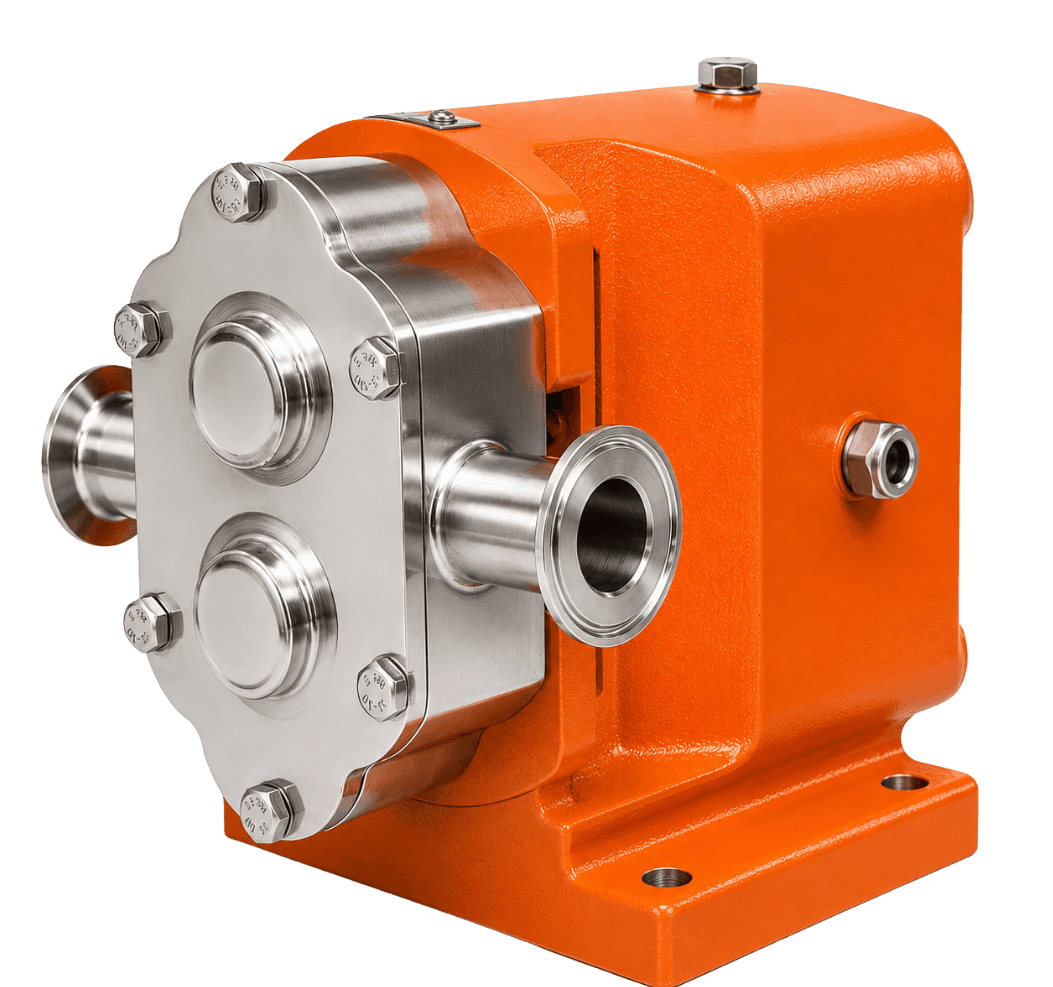
Shampoo transfer should be specified from the actual formulation and filling-line duty. Shubham’s LBX rotary lobe series is a starting point for viscous personal-care liquids. Confirm viscosity, acceptable texture and any observed foaming or air sensitivity, then provide inlet level, flow, discharge pressure, cleaning procedure, wetted-material and seal requirements. Pump choice alone does not establish foam performance.
Product behaviour
Describe the product at the filler, not only in the batch tank
A shampoo may appear acceptable in a mixing vessel yet show unwanted bubbles or a changed body at the filler. Record the plant's appearance criterion and whether the product is prone to foaming under the actual process. This is an acceptance input for inlet and speed review, not a claim that LBX suppresses foam.
Consider fragrance and cleaning changeovers
Different formulations and fragrances can demand different residue-removal procedures. State the product-contact material specification, cleaning liquids and inspection method. Confirm seal and elastomer compatibility for the particular formulation and supplied build; it is not established by the label shampoo.
Selection table
Shampoo formulation and appearance review
These inputs distinguish shampoo from a gel or cream duty with the same nominal viscosity.
| Buyer requirement | What to record | Selection relevance |
|---|---|---|
| Viscosity through the batch | Start-up and normal values at process temperature | Inlet filling, flow and drive |
| Foam or air acceptance | Observed behaviour and allowable bubbles at filler | Inlet routing and operating procedure |
| Finished texture | Allowed change after one pass or recirculation | Handling speed and repeat-pass review |
| Formula compatibility | Relevant ingredients and approved MOC | Wetted parts, seal and elastomer review |
| Fragrance changeover | Cleaning method and residue acceptance | Connection and cleaning access |
System review
Map the shampoo filling duty
A batch-to-filler line may cycle or pause, making restart different from continuous transfer.
| Location | Operating detail | Why it matters |
|---|---|---|
| Batch outlet | Minimum level and hose or pipe entry | Suction supply and possible air entry |
| Transfer line | Bore, length, bends and valves | Pressure loss at the required rate |
| Filler | Demand range, stop-start pattern and back pressure | Drive and flow-control review |
| Changeover | Cleaning liquid and inspection point | Seal, material and access review |
Related guidance
Continue the technical review
The LBX data explicitly lists shampoo among cosmetic duties. Use the gel page for product behaviour that changes with shear; the shampoo enquiry must also specify foaming observations and fragrance changeover requirements.
Read the gel behaviour review. Compare the viscosity and restart questions without assuming the same appearance criteria.
Read the LBX product data, application pillar, sanitary technology guide, SCS centrifugal guide and LBX food guide. Use the pump selector for early screening.
Selection support
Send the shampoo transfer duty for review
Send shampoo formulation or sample, viscosity at transfer and start-up temperature, appearance and foam acceptance, filler flow and back pressure, minimum tank level, pipe or hose details, cleaning method, approved MOC, seal, connection, motor or drive requirement and quantity.
Common questions
Shampoo transfer questions
Does LBX prevent shampoo from foaming?
No foam outcome is guaranteed. State the foam or bubble level the filler can accept and describe observed air entry so the inlet layout and operating procedure can be reviewed.
Why specify viscosity for each shampoo formula?
Formulations can differ in how they enter the pump and resist flow through the line. Provide measurements at the actual transfer temperature rather than sizing from a product category.
How should a cycling filler be described?
Give the minimum and maximum required flow, receiving back pressure, stop-start pattern and hold duration. These define more than one operating condition for pump and drive review.
What is needed for fragrance changeover?
Provide the cleaning sequence, liquids, temperature and residue acceptance. Material, seal, connection and access requirements must be confirmed for that process.