Application selection
Gel Transfer Pump Selection
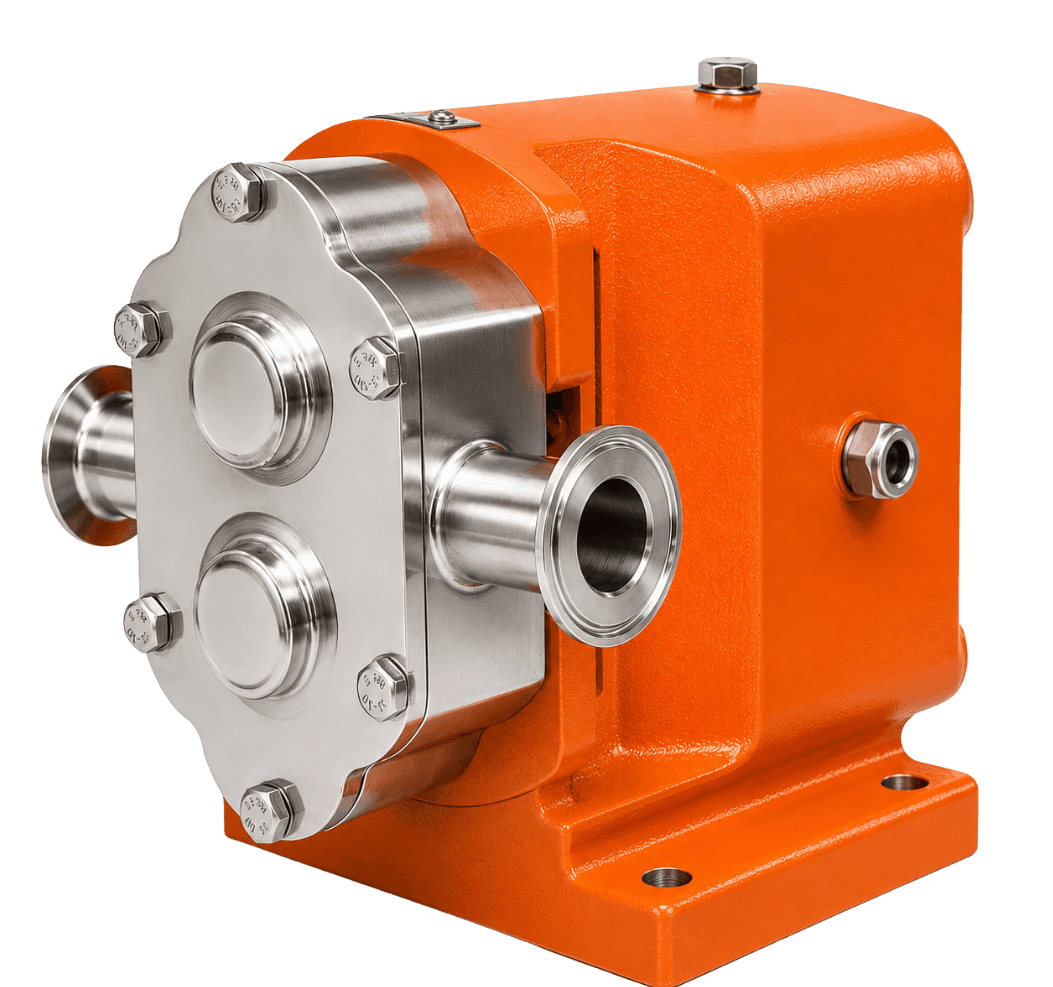
Gel transfer should begin with the product’s measured viscosity and response to shear at operating temperature. Shubham’s LBX rotary lobe series is a starting route where positive displacement and controlled handling are needed. Confirm suction filling, required flow, discharge pressure, cleaning and seal compatibility. Describe any stringy behavior with a sample rather than assuming all gels behave alike.
Product behaviour
Test the gel’s behaviour, not its label
A gel can thin during pumping, recover afterward, or cling to equipment; these behaviours must be reported by the buyer or established in a sample review. Describe whether the product changes after a pass and whether that change is acceptable. A nominal viscosity without test conditions may hide the actual inlet challenge.
Check whether the inlet can feed the pump
Even a positive displacement pump needs product at its inlet. A high static viscosity, narrow inlet or low tank level can limit filling. Review the inlet path, transfer temperature and start-up condition before setting speed or drive.
Selection table
Gel properties to establish before LBX sizing
Record observations with their test conditions so the selection reflects the actual batch.
| Property | How to describe it | Selection question |
|---|---|---|
| Viscosity and test condition | Value, temperature and shear/test method | Can the inlet fill at the proposed rate? |
| Response to pumping | Texture before and after a trial or process step | What speed and number of passes are acceptable? |
| Stringy or cohesive behaviour | Sample observation, if present | Will the inlet and discharge arrangement remain workable? |
| Temperature range | Start-up and transfer temperatures | How does behaviour change through the batch? |
| Product chemistry | Composition or compatibility requirements | Which wetted parts and seal need review? |
System review
Separate start-up from steady transfer
Gel behaviour can differ at the first turn of the drive and after continuous flow begins.
| Duty phase | Data needed | Reason |
|---|---|---|
| Start-up | Lowest temperature, static condition and tank level | Sets the difficult inlet and torque case |
| Steady flow | Target rate and measured line pressure | Sets the operating point |
| Stop and restart | Expected hold time and product response | Checks whether the same setting can resume |
| Cleaning | Method, liquid and residual-gel concern | Sets access and compatibility requirements |
Related guidance
Continue the technical review
Use the LBX page for available pump configurations and the sanitary guide for material and cleaning questions. A sample review is valuable when the gel changes under test shear or after a hold.
Read the LBX product data, application pillar, sanitary technology guide, SCS centrifugal guide and LBX food guide. Use the pump selector for early screening.
Selection support
Send the gel transfer duty for review
Send a gel sample or viscosity data with test method and temperature, shear tolerance, start-up condition, flow, pressure, minimum tank level, line size, cleaning method, product-contact MOC, seal requirement and quantity.
Common questions
Gel transfer questions
Is every gel suitable for LBX?
No. Suitability depends on actual viscosity, product behaviour, suction filling, pressure, temperature and compatibility. A sample or measured data is useful when behaviour is uncertain.
Why is the gel viscosity test method relevant?
Some gels respond differently as the test or pumping shear changes. The method and temperature give context to a reported value and help avoid sizing from an unrepresentative number.
Can a stringy gel be specified without a sample?
Describe the observed behaviour and provide a representative sample where practical. The label alone does not establish how it will enter or leave a particular pump configuration.
What should be checked after a gel line stops?
State the hold time, temperature change and restart behaviour. These may make start-up a different duty from steady transfer and affect suction and drive review.