Application selection
Mayonnaise Transfer Pump Selection
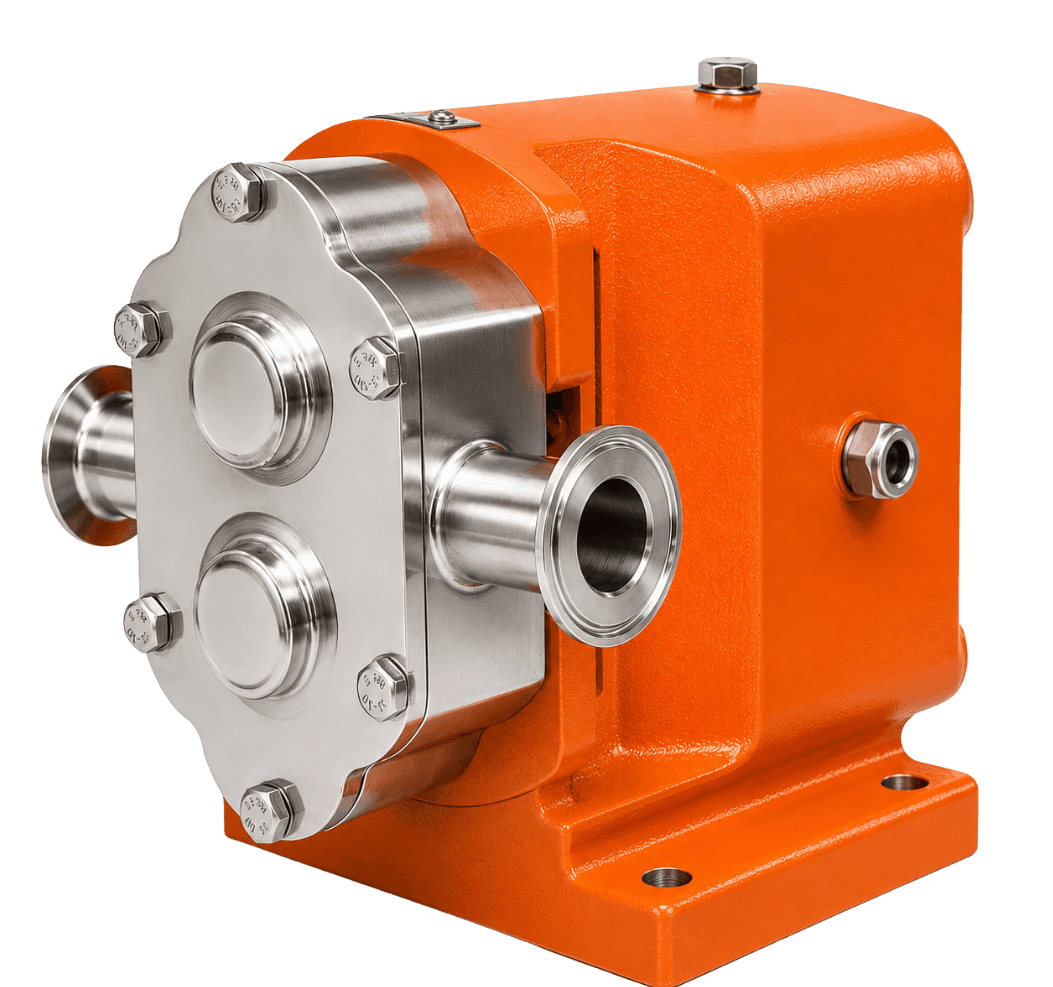
Mayonnaise transfer needs a pump duty and a product-quality target. Shubham’s LBX rotary lobe series is the starting route for a viscous, shear-sensitive emulsion, subject to the actual formulation. Specify viscosity at process temperature, acceptable texture change, suction condition, flow, discharge pressure, cleaning and seal requirements. No pump selection alone guarantees emulsion integrity.
Product behaviour
Make emulsion acceptance measurable
The receiving tank or filler needs mayonnaise with the intended body and appearance. Tell the reviewer how quality is checked before and after pumping, whether recirculation is allowed and how many passes the product may see. This turns a general gentle-handling request into an operating requirement that can be considered alongside flow and pressure.
Avoid air and inlet starvation assumptions
A positive displacement pump still needs an adequately supplied inlet. State vessel level, outlet size, inlet routing and any air or foaming concern observed in the process. The pump family does not guarantee bubble removal, emulsion stability or a specific cleaning result.
Selection table
Mayonnaise quality and duty inputs
Separate product acceptance from pump capacity; both must be confirmed before sizing.
| Review item | Buyer evidence | Why it changes selection |
|---|---|---|
| Emulsion condition | Texture or stability acceptance after transfer | Sets acceptable handling and repeat passes |
| Viscosity | Value at filling and start-up temperatures | Affects inlet filling and drive duty |
| Air observation | Foam or bubbles seen at vessel outlet | Informs inlet layout and operating procedure |
| Filling demand | Required rate and downstream pressure | Sets operating point and control review |
| Recipe chemistry | Product and cleaning-media compatibility data | Informs wetted material and seal review |
System review
Review the route from mixer to filler
The transfer stage determines suction and the number of times the emulsion is handled.
| Stage | Constraint to describe | Engineering question |
|---|---|---|
| Mixing vessel discharge | Minimum level and outlet geometry | Can the inlet remain supplied through the batch? |
| Transfer line | Bore, length, bends and valves | What pressure is needed at the requested rate? |
| Buffer or recirculation loop | Pass count and hold time | Will product acceptance be checked after repeated handling? |
| Cleaning transition | Residue removal and cleaning procedure | What access, seal and connection are required? |
Related guidance
Continue the technical review
The LBX product data establishes the available pump family. Compare the sauce page for line pressure and cleaning questions, while keeping mayonnaise's emulsion acceptance and repeat-pass limits explicit in the enquiry.
Read the sauce line review. Compare the physical transfer route while specifying emulsion acceptance separately.
Read the LBX product data, application pillar, sanitary technology guide, SCS centrifugal guide and LBX food guide. Use the pump selector for early screening.
Selection support
Send the mayonnaise transfer duty for review
Send mayonnaise formulation or sample, viscosity at transfer temperature, emulsion acceptance criteria, permitted passes, flow, receiving pressure, tank minimum level, inlet and line details, cleaning method, product-contact MOC, seal and connection requirements and quantity.
Common questions
Mayonnaise transfer questions
Will LBX always preserve mayonnaise texture?
No guarantee follows from the pump type. Define acceptable texture or stability after transfer, the number of passes and the operating conditions so the proposed selection can be reviewed against that target.
What inlet details matter for mayonnaise?
Provide minimum vessel level, outlet diameter, inlet pipe length and fittings, and any observed air. A viscous emulsion needs a dependable supply at the pump inlet.
Does recirculation change the selection?
It can change flow, pressure and total product handling. State recirculation duration or pass count and assess the product after the intended process cycle.
What cleaning information is needed between recipes?
Give the actual cleaning liquid, method, temperature, connection and access expectations. Seal and material suitability must be confirmed for both mayonnaise and the cleaning procedure.