Application selection
Juice Transfer Pump Selection
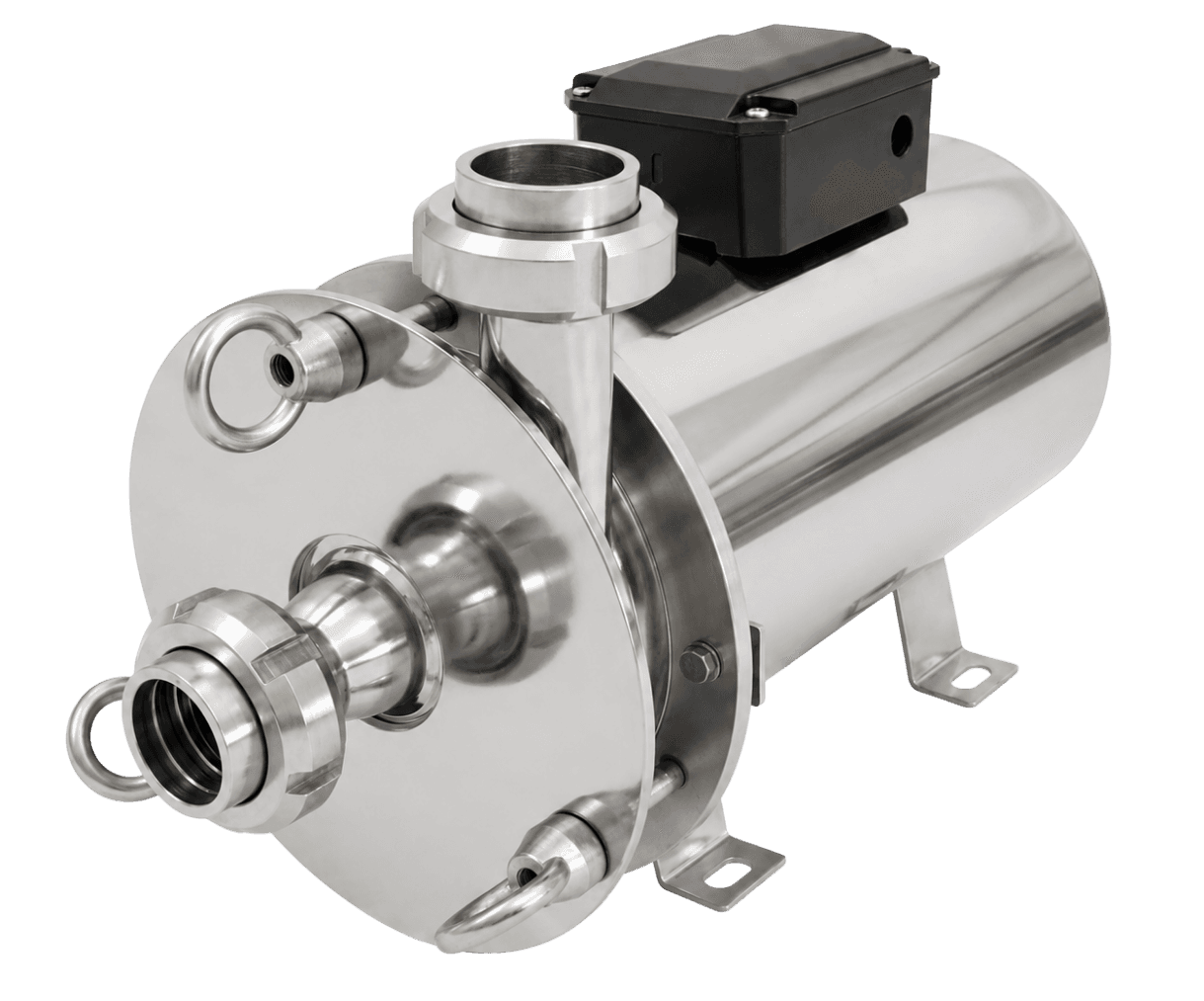
A juice transfer pump should be selected from the juice actually entering the line. Shubham’s SCS sanitary centrifugal series is a starting point for clear, lower-viscosity juice when its flow, head and hygienic configuration fit. Pulp, suspended solids, higher viscosity or texture sensitivity can change the technology review. Confirm suction, connections and cleaning for each recipe.
Product behaviour
Separate clarified juice from pulp-bearing product
Clarified juice presents a different inlet and impeller question from a juice carrying fruit pulp. Describe whether the product is filtered, how much pulp remains, the largest pieces and whether solids may settle during a batch. A product name such as mango juice does not establish its pumpability or the acceptable effect of pumping on its texture.
Where the centrifugal starting route ends
Do not assume SCS passes every pulp size or protects every fruit piece. If pulp concentration, viscosity or product integrity makes the centrifugal route uncertain, ask Shubham to review LBX or another suitable series against a representative sample. No solids-handling limit is inferred here.
Selection table
Route the juice by product condition
Use the actual process sample at the pump inlet, including the least favourable batch condition.
| Product condition | Starting review | Information that can change it |
|---|---|---|
| Clarified, mobile juice | SCS sanitary centrifugal | Flow, total head and available suction |
| Juice with fine suspended pulp | Conditional SCS review | Pulp amount, size, settling and required product appearance |
| Thick fruit preparation or intact pieces | LBX or another technology review | Viscosity, largest particle and acceptable handling change |
| Several recipes on one line | Check every operating point | Most viscous recipe, lowest tank level and cleaning cycle |
System review
Define the juice line before choosing a pump
Clarification, storage and filling stages can each have a different suction and resistance condition.
| Line stage | Buyer question | Sizing or hygiene effect |
|---|---|---|
| Source tank | What is the minimum level and outlet size? | Defines suction at the end of the batch |
| Filter or clarification step | Is there a pressure drop or retained pulp? | Changes head and product presented to the pump |
| Transfer pipe | What are length, bore, bends and elevation? | Sets line loss at the requested flow |
| Product changeover | Which cleaning liquid and connection standard apply? | Requires supplied-build and cleaning review |
Related guidance
Continue the technical review
The SCS page provides the verified sanitary centrifugal starting point. The syrup review is useful when a sweetened concentrate becomes appreciably more viscous than the clear juice; a pulpy preparation needs its own solids and texture review.
Read the syrup technology comparison. Compare the technology decision if concentration changes the liquid's viscosity.
Read the SCS product data, application pillar, sanitary technology guide, SCS centrifugal guide and LBX food guide. Use the pump selector for early screening.
Selection support
Send the juice transfer duty for review
Send juice type, clarification state, pulp concentration and largest particle if present, viscosity at transfer temperature, required flow and total head, source level, pipe details, cleaning method, hygienic connection, MOC and seal requirements and quantity.
Common questions
Juice transfer questions
Is SCS the first choice for clarified fruit juice?
It is a reasonable starting route for compatible lower-viscosity juice. A model still needs the actual flow, total head, suction, product temperature, connection and cleaning requirements.
Can the same pump transfer juice containing pulp?
Possibly, but the word pulp does not define particle size or loading. Share a sample or measured solids information and state whether the fruit texture must remain intact before choosing a series.
Why does the last part of a juice batch matter?
Tank level and pulp distribution can change toward the end of transfer. Give the minimum liquid level and describe whether solids settle so the most difficult suction condition can be assessed.
What cleaning details belong in a juice pump enquiry?
State the method, cleaning liquid, temperature, connection and whether multiple recipes share the line. The supplied seal and wetted parts must be checked against those conditions.