Application selection
Syrup Transfer Pump Selection
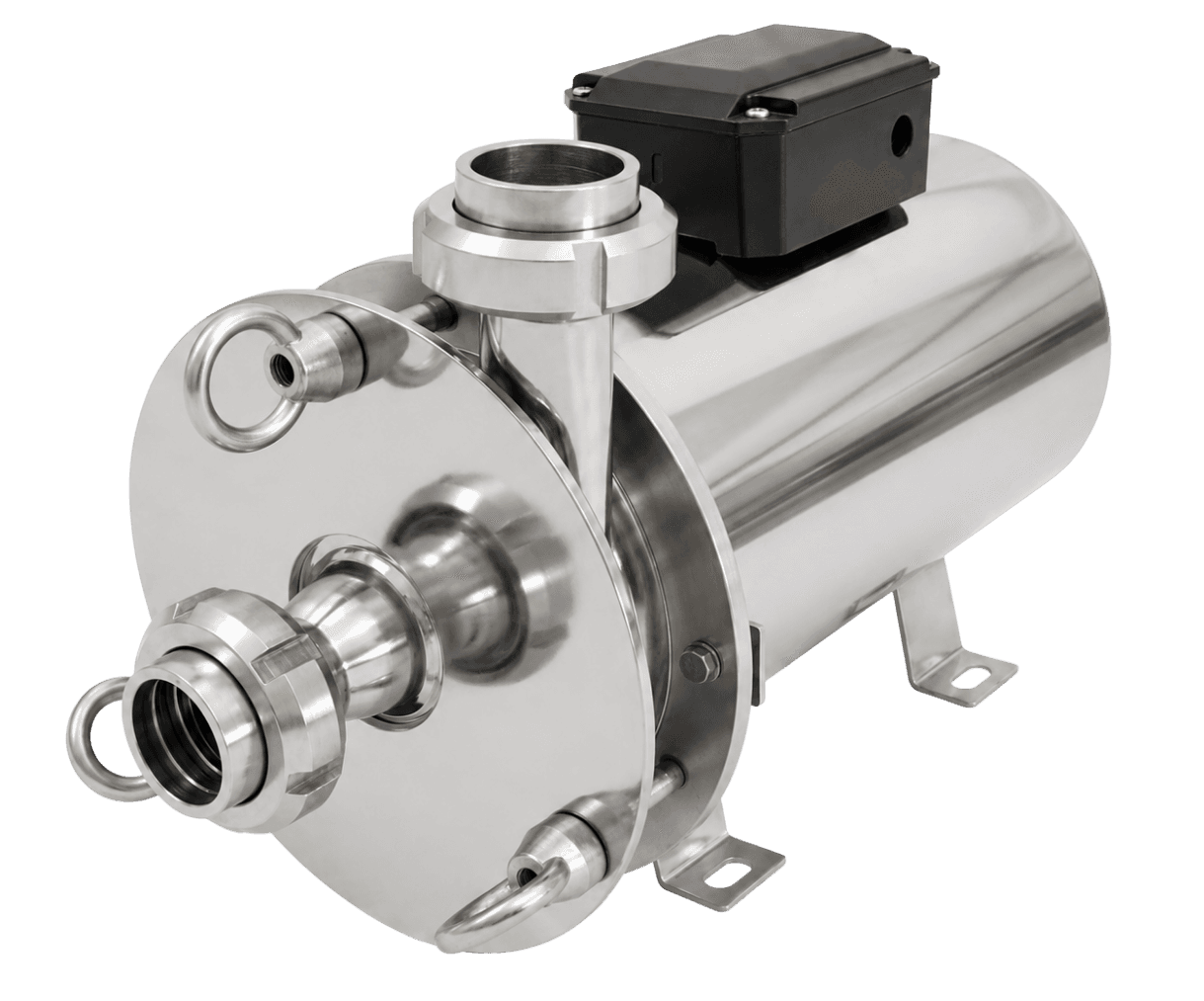
A syrup transfer pump should be chosen from the syrup’s viscosity at its actual operating temperature, not its name alone. Lower-viscosity syrup may suit Shubham’s SCS sanitary centrifugal series when flow and head match. A thick or shear-sensitive syrup may call for LBX rotary lobe review. Confirm suction, line pressure and cleaning before choosing either.
Product behaviour
Start with the syrup at the pump inlet
Concentration and temperature can change how readily a syrup fills the inlet and moves through the line. Supply measured viscosity at start-up and normal transfer conditions. A hot, mobile syrup and the same syrup after cooling can lead to different technology and drive decisions.
Do not select LBX from the word syrup alone
For a mobile syrup with an available flooded inlet, SCS may be the simpler route if its curve meets flow and total head. Review LBX when viscosity increases line loss, suction filling becomes difficult, or product handling calls for positive displacement. A duty beyond either verified series needs engineering review.
Selection table
Choose the technology from measured syrup duty
These are screening routes, not viscosity cutoffs or a model recommendation.
| Observed condition | Starting route | Confirm before sizing |
|---|---|---|
| Mobile syrup at transfer temperature | SCS sanitary centrifugal | Flow and total dynamic head at the operating point |
| Thick syrup or temperature-sensitive viscosity | LBX rotary lobe review | Viscosity at start-up and transfer, suction filling and drive torque |
| Syrup sensitive to mixing or product damage | LBX handling review | Acceptable product change, speed and required flow |
| Uncertain or changing concentration | Hold technology choice | Samples or measured viscosity across the intended operating range |
System review
Check the complete syrup circuit
Syrup temperature and pipe losses need to be considered at the source, pump and destination.
| Circuit point | Question for the buyer | Selection consequence |
|---|---|---|
| Source vessel | Is the inlet flooded at the lowest tank level? | Determines the available suction condition |
| Transfer line | What are pipe length, bore, bends and insulation conditions? | Defines friction loss as viscosity changes |
| Receiving equipment | Is there filter, filler or valve back pressure? | Sets required head or discharge pressure |
| Cleaning cycle | Which liquid, temperature and method are used? | Requires a separate material, seal and connection review |
Related guidance
Continue the technical review
Use the SCS product data for a mobile syrup and the LBX food guide when viscosity or handling points to rotary lobe transfer. The sanitary comparison helps frame the decision before a duty-specific quotation.
Read the SCS product data, application pillar, sanitary technology guide, SCS centrifugal guide and LBX food guide. Use the pump selector for early screening.
Selection support
Send the syrup transfer duty for review
Send syrup concentration or product description, viscosity at start-up and transfer temperature, flow, total head or discharge pressure, tank level, line dimensions, shear concern, cleaning method, connection, seal requirement and quantity.
Common questions
Syrup transfer questions
Does every syrup require a lobe pump?
No. A lower-viscosity syrup may be a centrifugal duty. Compare measured viscosity, required flow and total head with the SCS selection before reviewing LBX for thicker or more sensitive product.
Which syrup temperature should be used for pump selection?
Provide start-up, normal transfer and expected lowest product temperatures. Viscosity at those conditions matters more than a single room-temperature description.
Why does the suction line matter for thick syrup?
A restrictive inlet can prevent a viscous product from filling the pump consistently. Share tank level, inlet diameter, length and fittings so the available suction condition can be reviewed.
Can cleaning liquid use the same pump route as the syrup?
The cleaning liquid may have a very different viscosity and operating point. State the cleaning method and conditions so the proposed pump, seal and connection can be checked for both duties.