Application selection
Cosmetic Cream Transfer Pump
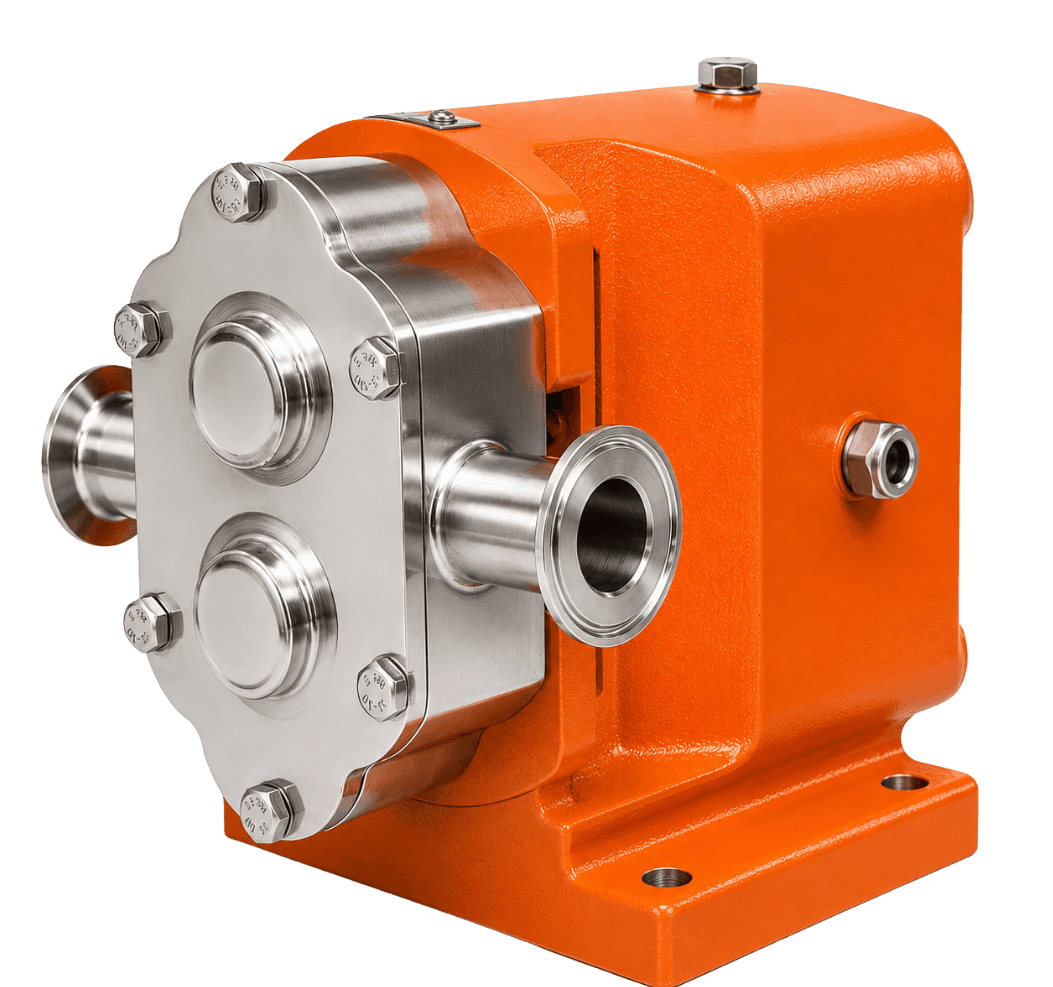
Cosmetic cream transfer usually needs a viscosity and texture review before a pump is sized. Shubham’s LBX rotary lobe series is the starting route for thick or shear-sensitive cream. Confirm its measured behavior at transfer temperature, target flow, line pressure, inlet supply, cleaning procedure and compatible seal. Specify any appearance or entrained-air limits as process requirements.
Product behaviour
Protect the finished cream’s appearance
A finished cosmetic emulsion may be judged by texture and appearance at the filler, not simply by whether it reaches the destination. State whether the product tolerates recirculation, shear or visible air. These are buyer requirements to test against the chosen speed, inlet and outlet arrangement; no deaeration performance is assumed.
Match the pump to the batch and the line
A formulation change can alter viscosity and suction filling. Review LBX using the least favourable expected batch condition and the highest line resistance. Confirm product-contact material, elastomer and seal compatibility with both the cream and the cleaning procedure.
Selection table
Define cosmetic cream acceptance criteria
Use measurable product quality and operating requirements to frame the quote.
| Acceptance criterion | Buyer input | Effect on review |
|---|---|---|
| Texture after transfer | Acceptable change in body or emulsion | Speed and number of passes |
| Air appearance | Permitted bubbles or foam at filling | Inlet arrangement and operating procedure |
| Batch viscosity | Range at minimum and normal temperature | Suction filling and torque |
| Filler feed | Flow range and receiving pressure | Displacement, drive and control |
| Changeover cleanliness | Manual or line cleaning procedure | Connection, seal and access review |
System review
Map batch vessel to filler
Source level and downstream cycling can matter as much as peak viscosity.
| Location | Condition to check | Why it matters |
|---|---|---|
| Mixing vessel | Minimum level and outlet geometry | Available liquid at the pump inlet |
| Hose or pipe | Length, bore and bends | Pressure loss at cream viscosity |
| Filling machine | Back pressure and stop-start pattern | Required flow control and drive response |
| Cleaning point | Product removal and cleaning liquid | Residue and seal compatibility |
Related guidance
Continue the technical review
Compare the LBX construction details with the sanitary pump guide before defining a cosmetic cream build. The existing dairy cream guide addresses a different formulation and should not be treated as a cosmetic specification.
Read the LBX product data, application pillar, sanitary technology guide, SCS centrifugal guide and LBX food guide. Use the pump selector for early screening.
Selection support
Send the cosmetic cream transfer duty for review
Send the cream formulation or sample, viscosity range at transfer temperature, texture and air acceptance criteria, flow to the filler, pressure, tank level, line details, cleaning method, MOC, seal, connection and drive requirements.
Common questions
Cosmetic cream transfer questions
Will a lobe pump prevent air bubbles in cosmetic cream?
No such outcome is guaranteed. Entrained air depends on the product and inlet arrangement as well as operation. State the acceptable appearance and suction conditions for engineering review.
Should the cream be tested at room temperature?
Use the actual transfer and start-up temperatures. A formulation may have a different viscosity at room temperature than it has at the pump inlet.
Can the same pump feed a cosmetic filler and recirculate a batch?
Both operating points need checking. Provide each flow, pressure and product-quality requirement, including any limit on repeat passes through the pump.
What seal data is needed for cosmetic cream?
Provide ingredients relevant to compatibility, operating temperature, cleaning chemicals and leakage tolerance. The final seal and elastomer need confirmation for the supplied build.