Dairy application review
Cream Transfer Pump for Dairy & Food Processing
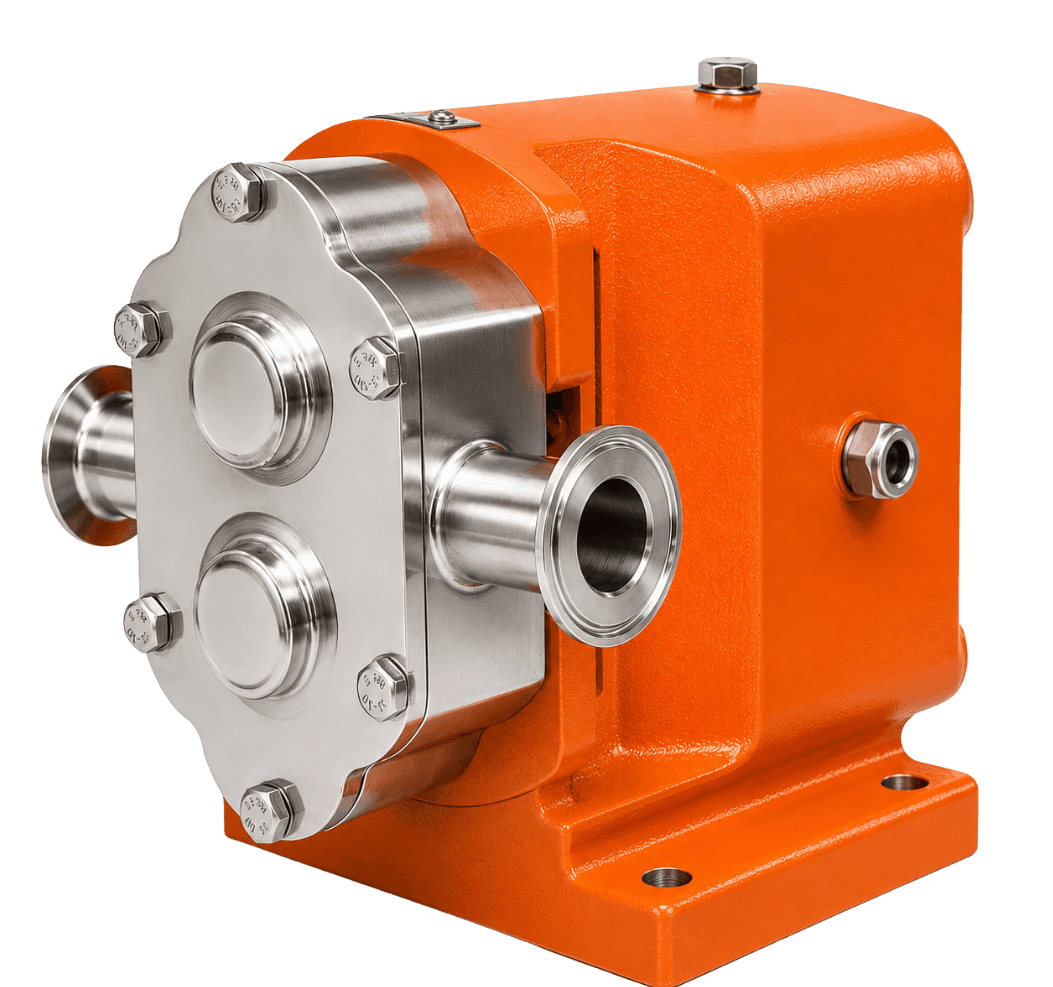
A cream transfer pump must move a product whose viscosity and texture can change with temperature and handling. Shubham’s LBX rotary lobe series is the normal starting route for viscous or shear-sensitive cream, subject to confirmation of flow, pressure, suction, cleaning, connection, material, seal and the cream’s condition at transfer temperature.
Buyer problem
Protect texture while meeting the transfer rate
Cream is not defined by one viscosity. Product composition, storage condition and temperature can change how it enters the pump. The selection must balance gentle handling with enough inlet filling, displacement and drive torque to meet the process time.
When LBX may be unsuitable
LBX should not be selected from the liquid name alone. An incompatible product-contact material, abrasive solids, poor suction layout, pressure beyond the verified range, or an undefined cleaning cycle can require another configuration or pump technology.
For milk or another thin dairy liquid, start with the SCS centrifugal review.
Cream duty table
Data that controls cream pump selection
These inputs are cream-specific. Provide measured values where available rather than descriptions such as “thick” or “cold.”
| Selection factor | What to provide | Why it matters for cream |
|---|---|---|
| Cream type and consistency | Describe the product and whether texture changes during storage or transfer | Separates a pumpable cream duty from a paste-like or unusually sensitive product. |
| Viscosity | Provide viscosity at start-up and normal transfer temperature | Controls pump speed, torque, suction filling and pressure loss. |
| Product temperature | State product temperature at the source, pump and destination | Cream viscosity and seal or elastomer requirements can change with temperature. |
| Required flow | Give the target transfer rate and any minimum or maximum condition | Determines pump displacement, operating speed and process time. |
| Discharge pressure | Include elevation, pipe friction, fittings, valves and downstream equipment | Defines the resistance the selected pump and drive must overcome. |
| Suction arrangement | Provide tank level, inlet length, diameter, fittings and any lift | Viscous cream needs a low-loss inlet path so the pump can fill properly. |
| Shear sensitivity | Explain whether mixing changes body, texture or appearance | Helps set the handling approach and review operating speed. |
| Cleaning | State manual or CIP method, chemistry, temperature and drainage need | Affects the supplied connection, seal, elastomer and cleaning arrangement. |
| Connection | Identify the existing line standard and size | Avoids reducers or interfaces that create excess loss or cleaning concerns. |
| Seal and MOC | State product-contact material, seal and elastomer requirements | Compatibility must cover both cream and cleaning chemistry. |
Transfer stage
The same cream can create different duties across the plant
Identify the source and destination equipment. That context determines suction level, line loss, back pressure, portability and the cleaning route.
| Transfer stage | Typical selection concern | Review before sizing |
|---|---|---|
| Balance or storage tank to process | Changing tank level and inlet conditions | Confirm minimum liquid level, inlet size and whether suction remains flooded. |
| Separator or pasteurizer discharge | Product temperature and downstream back pressure | Provide the actual transfer temperature and receiving-equipment pressure. |
| Batch vessel to filler | Stable, repeatable flow without harming texture | State the required filling rate, line length, valves and texture sensitivity. |
| Tanker or mobile transfer | Variable hose routing and installation format | Confirm suction lift, hose size, portability, motor supply and cleaning method. |
Next review
Keep the cream page within the wider dairy selection path
The dairy pump guide compares SCS and LBX across milk, whey, cream, curd and ghee. Use it when several dairy products share a line.
The viscous food lobe pump guide covers sauce, paste, syrup and other product families. The official LBX page remains the source for verified series data.
Selection support
Send the cream condition at the pump inlet
Include cream type, viscosity at operating temperature, required flow and pressure, tank level, inlet and discharge line details, shear sensitivity, cleaning method, connection, MOC, seal, elastomer, drive requirement and quantity.
Common questions
Cream transfer pump questions
Which pump principle is normally considered for cream transfer?
A positive displacement lobe pump is normally the starting point when cream viscosity and texture make centrifugal transfer unsuitable. Shubham’s LBX Series should be reviewed against the cream viscosity at transfer temperature, flow, pressure, suction and cleaning requirements.
Why must cream viscosity be stated at operating temperature?
Cream consistency can change with temperature. A room-temperature description may not represent the product entering the pump. Provide the expected start-up, normal transfer and cleaning conditions so suction, speed, drive, seal and line losses can be reviewed correctly.
Can one cream pump also transfer milk?
Possibly, but do not assume one selection is optimal for both. Milk is usually a lower-viscosity centrifugal duty, while cream may require lobe transfer. The shared pump must be checked across both operating points, cleaning cycles and product-quality requirements.
What cleaning information is needed for a cream transfer pump?
State whether cleaning is manual or CIP, the cleaning liquid, temperature, cycle, drainage expectation and whether the pump remains connected to the line. These details affect connection, seal, elastomer and supplied configuration decisions.
What information should be sent for an LBX cream pump quotation?
Send cream type, viscosity at transfer temperature, fat or solids information where relevant, flow, discharge pressure or head, suction condition, line size, cleaning method, connection, MOC, seal, elastomer, motor or drive and quantity.