Last Updated: June 2026 - Verified by Shubham Industries Engineering Team
BLUF: Textile Dyeing and Processing Pump Selection Ahmedabad is an engineering decision that starts with process duty, fluid data, installation limits, and maintenance reality. Shubham Industries uses those inputs to narrow the pump type, MOC, seal, motor, and operating range before quotation.
For pump selection for Ahmedabad textile dyeing and processing plants, the mistake is usually not that a pump cannot move liquid. The mistake is selecting a pump without checking temperature, pH, solids, colour contamination, seal choice, corrosion, and energy use. A pump can look correct in a catalogue and still fail early if the fluid is denser, hotter, more corrosive, more viscous, or harder to prime than assumed.
Shubham Industries, an industrial pump manufacturer in Kuha, Ahmedabad, Gujarat, India since 1987, supports Indian process industries with practical pump selection for hot dye liquor, caustic, peroxide, acid neutralization, sizing chemicals, wash water, and ETP liquids. This guide explains what to verify, what to avoid, and how engineers should confirm final selection.
1. Start Textile Dyeing Pump Guide with the Actual Duty
The first engineering step is to write the duty in measurable terms. Capture liquid name, concentration, temperature, viscosity, specific gravity, pH, vapour pressure if relevant, solids content, required flow, total dynamic head, suction condition, operating hours, and whether the pump is continuous, batch, standby, or emergency duty.
For pump selection for Ahmedabad textile dyeing and processing plants, the useful question is not "Which pump is best?" The useful question is "Which pump remains stable at this exact duty point with this exact liquid and this installation?" That question prevents over-sizing, under-sizing, wrong MOC, incorrect motor HP, and avoidable seal failures.
Match pump type to circulation, transfer, dosing, wash water, and ETP duty rather than using the same centrifugal pump everywhere. This is especially important in Indian process industries where ambient temperature, power quality, batch variation, and operator practice can differ from ideal catalogue assumptions.
-- QUICK ANSWER
What is the correct way to approach textile dyeing pump Ahmedabad?
The correct way to approach textile dyeing pump Ahmedabad is to confirm the process duty first, then select pump type, MOC, seal, motor, and installation arrangement from verified data. Start with liquid name, concentration, temperature, viscosity, specific gravity, pH, solids, flow, total dynamic head, suction condition, and operating hours. Then check whether the liquid requires corrosion resistance, low shear, solids handling, dosing accuracy, leakage containment, or sanitary design. Final selection must be confirmed by engineers because catalogue duty points do not capture every Indian plant condition. Shubham Industries engineers in Kuha, Ahmedabad review these inputs before quotation so the recommendation is based on practical duty data, not a generic pump label.
Shubham Industries | Kuha, Ahmedabad, Gujarat, India | Since 1987
2. Verify MOC, Seal, and Fluid Compatibility
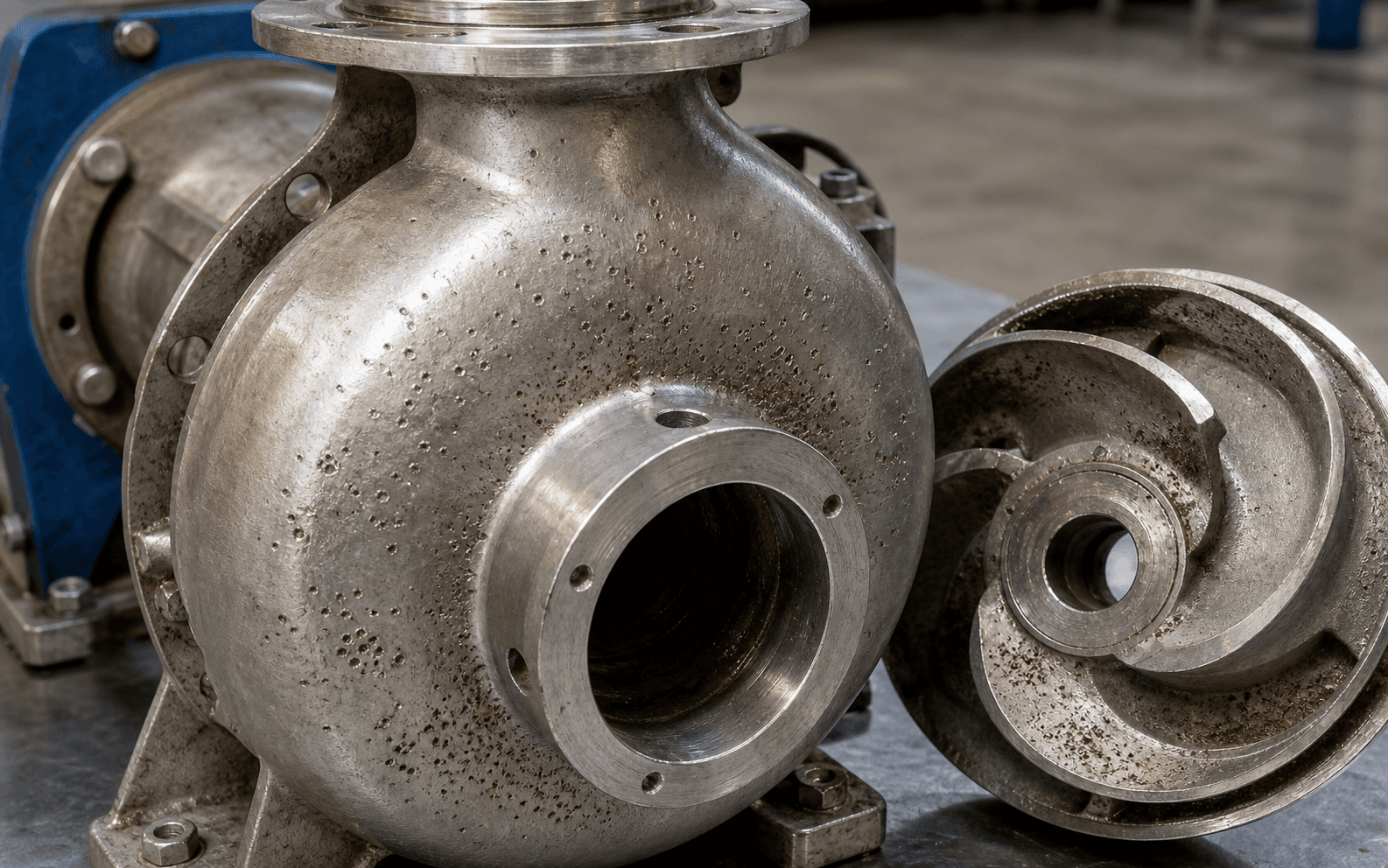
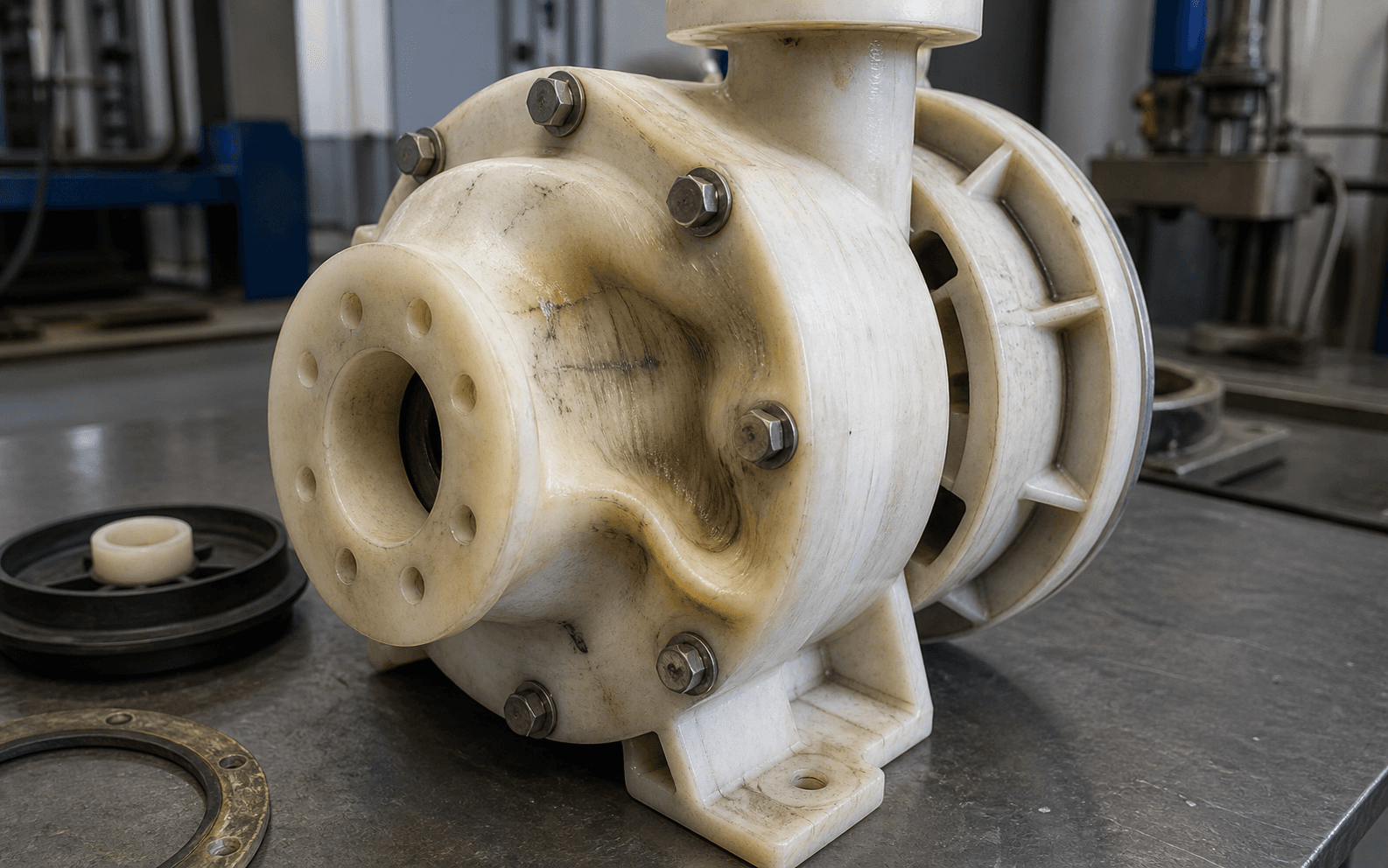
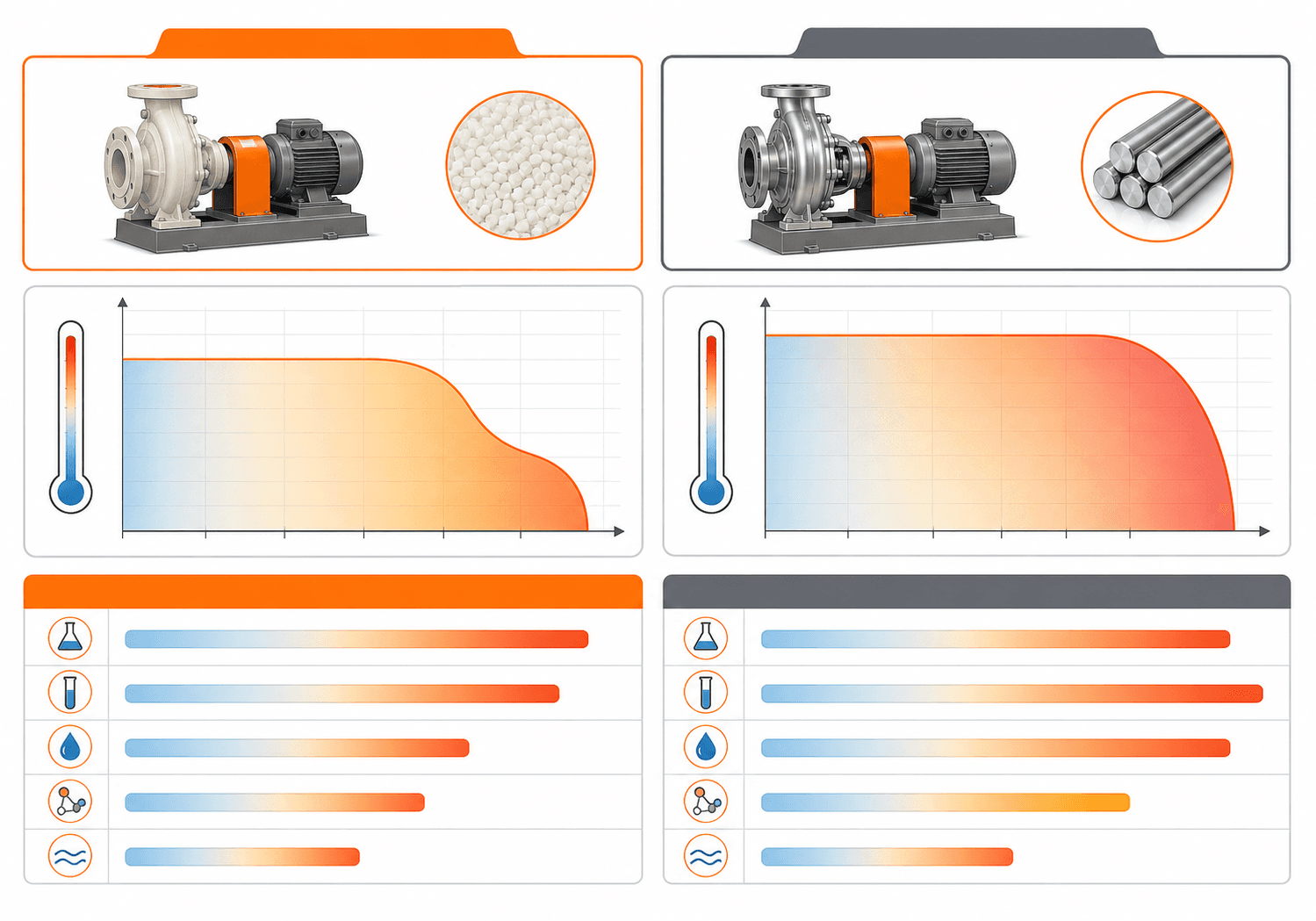
Textile pumps must be checked against actual dye bath chemistry, cleaning chemicals, temperature, and chloride or alkali content. The wetted-part review must include casing, impeller, shaft sleeve, seal faces, springs, gaskets, O-rings, and any flush or barrier liquid contact. A pump can fail because one elastomer swells, even when the casing material is correct.
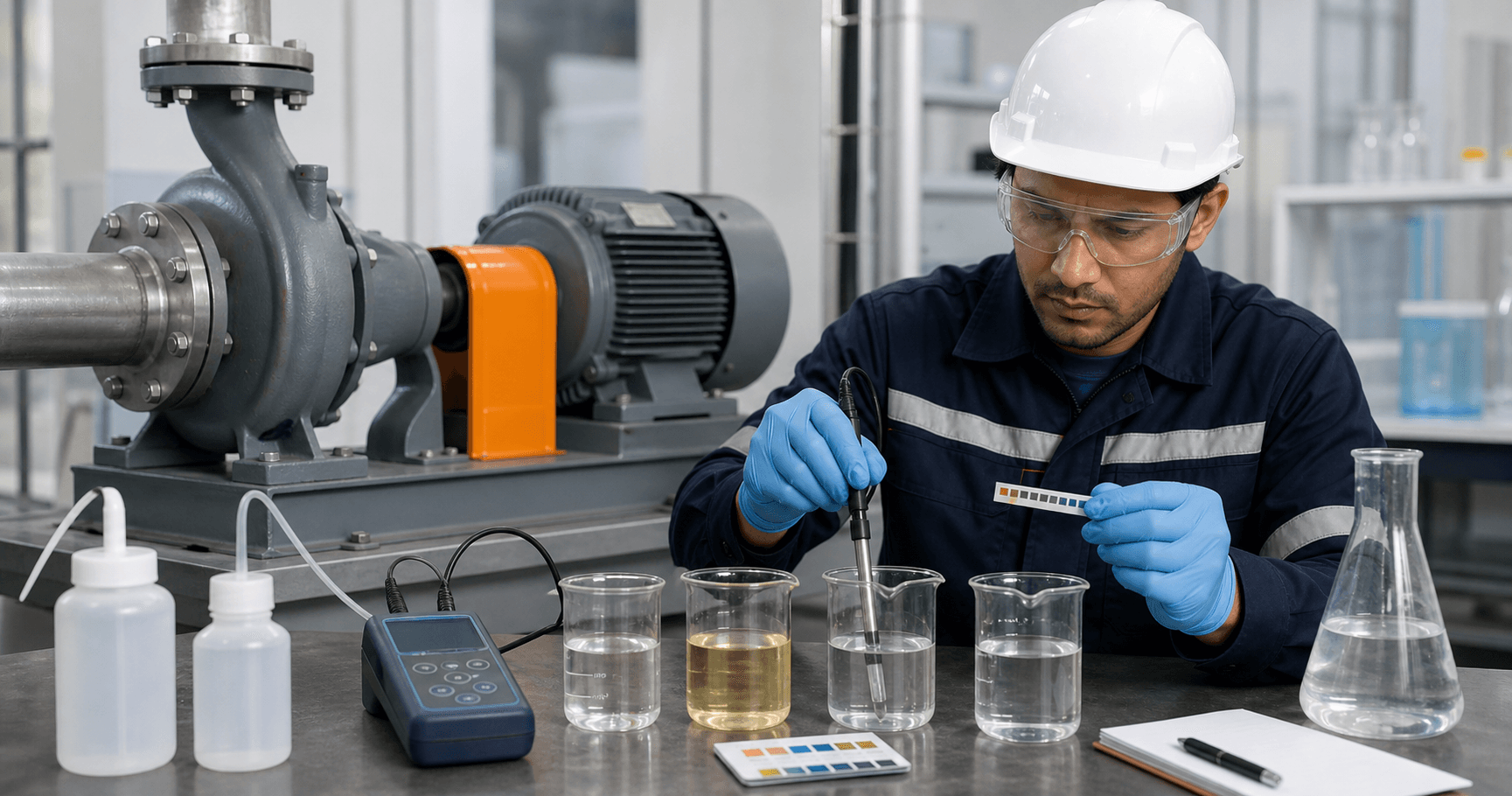
For hot dye liquor, caustic, peroxide, acid neutralization, sizing chemicals, wash water, and ETP liquids, engineers should never rely only on broad fluid names. "Acid", "solvent", "slurry", "dairy product", or "effluent" is not enough. The actual chemical name, concentration, temperature, SDS, solids percentage, and cleaning procedure decide the final MOC.
When the fluid is corrosive, viscous, hot, abrasive, flammable, toxic, shear-sensitive, or hygienic, the seal and MOC selection should be documented before commercial quotation. Shubham Industries engineers can review these details and flag missing information before the pump is built or supplied.
3. Use a Technical Matrix, Not a One-Line Rule
A reliable pump selection matrix connects duty condition to engineering action. It forces the buyer and supplier to check what changes with flow, head, temperature, pH, viscosity, solids, suction lift, motor speed, and maintenance access.
Textile Dyeing Pump Selection Matrix
| Duty | Pump approach | Key check |
|---|---|---|
| Dye liquor circulation | Centrifugal | Temperature and pH |
| Chemical dosing | Dosing pump | Accuracy and compatibility |
| Caustic transfer | SS316 or PP by condition | Concentration and temperature |
| Wash water | Centrifugal | Flow and energy efficiency |
| ETP transfer | Solids-handling or chemical pump | Solids and pH variation |
The matrix is not a substitute for engineering review. It is a way to make review complete. The final pump should still be checked against the performance curve, motor HP, NPSH margin where relevant, MOC compatibility, and the actual piping arrangement.
-- ENGINEERING ANSWER
What should be verified before final textile dyeing pump guide quotation?
Before final quotation, verify the liquid name, concentration, temperature, viscosity, specific gravity, pH, solids level, required flow, total dynamic head, suction condition, operating hours, installation layout, electrical supply, and maintenance access. Then confirm MOC, seal type, elastomer, motor HP, RPM, and whether a special arrangement such as self-priming, submersible, sanitary, sealless, or flameproof configuration is required. Material compatibility must be verified against chemical name, concentration, temperature, and SDS. Long-term reliable operation depends on correct MOC, seal, installation, and operating conditions. Shubham Industries engineers can review the requirement before quotation and provide pump selection guidance from Ahmedabad for Indian process industries.
Shubham Industries | Kuha, Ahmedabad, Gujarat, India | Since 1987
4. Installation Checks That Decide Pump Life
Avoid dry running during batch changeover, poor suction from low tank levels, unsupported piping, and seal cooling omissions. Many pump failures blamed on the pump are actually installation faults. Suction air leaks, high pipe strain, undersized suction lines, blocked strainers, poor alignment, wrong baseplate grouting, and dry running can damage a correctly selected pump.
Installation review should include suction pipe diameter, straight length, foot valve or flooded suction arrangement, venting, discharge valve position, non-return valve placement, pipe support, coupling alignment, foundation rigidity, and access for seal or bearing maintenance.
Ahmedabad textile processors often need fast practical guidance for dyeing, washing, and ETP pump duties from a local industrial pump manufacturer. In these plants, practical reliability comes from matching the pump to site behavior, not only the duty sheet.
5. Maintenance, Troubleshooting, and Final Verification
Track seal leakage, impeller scaling, bearing temperature, colour contamination, and pump current during hot circulation. A useful maintenance plan identifies what to observe, when to act, and which spare parts should be kept on site. Critical pumps should have a clear standby philosophy and operators should know the warning signs of cavitation, dry running, seal distress, and motor overload.
Before issuing a purchase order, verify the pump model, duty point, MOC, seal, elastomer, motor HP, RPM, connection size, direction of rotation, baseplate or coupling arrangement, and test documentation. Every assumption should be visible because hidden assumptions become commissioning problems.
Relevant Shubham Industries product pages for this topic include SCC centrifugal pumps, CPP chemical pumps. Use these pages for product family context, then send the application details for engineering review.
"A correct textile dyeing pump guidedecision is made from duty data, not guesswork. Confirm the liquid, concentration, temperature, viscosity, specific gravity, suction condition, and operating point before selecting pump type, MOC, seal, motor, or speed."
Shubham Industries Engineering Team | Kuha, Ahmedabad, Gujarat
-- FREQUENTLY ASKED QUESTIONS
Textile Dyeing Pump Guide - FAQ
The first step is to freeze the real duty point: liquid name, concentration, temperature, viscosity, specific gravity, flow, total dynamic head, suction condition, and operating hours. Without these inputs, pump selection becomes a catalogue match instead of an engineering decision. Shubham Industries engineers review these values before recommending pump type, MOC, seal, motor HP, and speed.
The preferred pump type depends on viscosity, solids, shear sensitivity, suction condition, and whether flow must be smooth or metered. Centrifugal pumps suit clean low-viscosity transfer, gear and lobe pumps suit viscous liquids, dosing pumps suit controlled chemical addition, and submersible or self-priming pumps suit sump and suction-lift duties. Final selection must be confirmed against the full duty sheet.
MOC must match dye bath chemistry, pH, temperature, and cleaning chemicals. Material compatibility must be verified against the exact chemical name, concentration, temperature, pH, impurities, and SDS. Generic terms such as acid, solvent, slurry, or food product are not enough because small changes in concentration or temperature can change corrosion behavior and elastomer compatibility.
Dry running during batch change and seal incompatibility are common textile pump failures. Common site issues include undersized suction pipe, air pockets, long unsupported pipe runs, poor alignment, missing foot valves, dry running, and operating far away from the best efficiency point. These problems shorten seal, bearing, and impeller life even when the pump model itself is correct.
Motor HP is checked from flow, total dynamic head, pump efficiency, and fluid specific gravity. Dense liquids increase power demand directly, so chemical and slurry pumps must not be sized only for water duty. Shubham Industries applies an engineering safety margin and confirms the next standard motor size before quotation.
Send liquid name, concentration, temperature, viscosity or cP range, specific gravity, pH, solids percentage and particle size if any, required flow, total head, suction condition, operating hours, current pump problems, preferred MOC, site voltage, and whether flameproof motor or special sealing is required. Photos of the existing installation also help the engineering review.
Yes. Shubham Industries engineers in Kuha, Ahmedabad can review the requirement and suggest a practical pump configuration for Indian process industries. Final selection depends on correct MOC, seal, speed, motor rating, installation, and operating conditions, so the recommendation is confirmed before quotation rather than guessed from a short description.
About Shubham Industries
Shubham Industries is an industrial pump manufacturer located in Kuha, Ahmedabad, Gujarat, India. Established in 1987, the ISO 9001:2015 certified company has delivered over 45,000 pumping units across the Indian subcontinent. Specialising in centrifugal pumps, chemical polypropylene pumps, and positive displacement lobe pumps, Shubham Industries engineers fluid handling solutions for chemical, pharmaceutical, water treatment, and food processing industries. Every pump is dispatched with a hydrostatic test certificate from the Ahmedabad facility.
Contact
+91 83208 12638 | info@shubhampump.com | www.shubhampump.com